Climate change is one of the biggest long-term threats to the New Forest. Hotter, drier summers, warmer, wetter winters, rising sea levels and more extreme weather are already changing the conditions that its habitats, wildlife, commoners and communities depend on.
The New Forest is a rare and delicate landscape. It is home to more than 20,000 species, and over half of the National Park is internationally protected for nature conservation. Its heathlands, ancient woodlands, wetlands, mires, lawns, streams and pasture have developed over centuries through nature, commoning and careful stewardship.
But that balance is being tested.
In recent years, the Forest has experienced record summer temperatures, exceptionally wet winters and unusually dry, hot spring and summer conditions. These are not abstract risks. They are already changing the landscape.
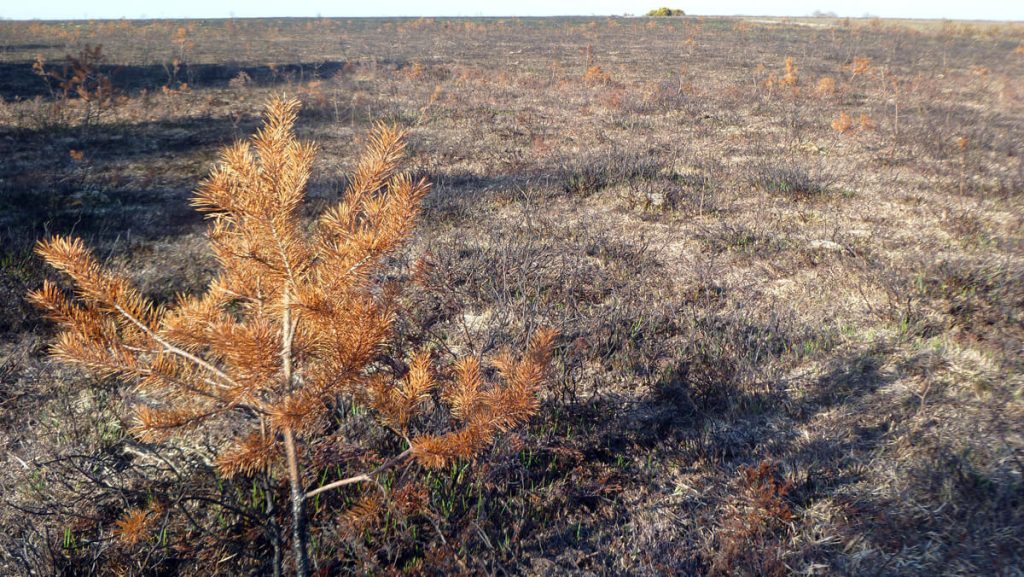
Longer dry periods increase the risk of wildfire and place stress on trees, grazing land, wetlands and wildlife. Heavy rainfall can lead to flooding, erosion and damage to fragile habitats. Warmer conditions may allow pests, diseases and invasive species to spread more easily. Increased tree stress and loss, soil erosion and habitat change could also place some species at risk of local extinction.
A recent habitat assessment found that 37% of the National Park is at high or very high risk of habitat loss or damage from climate change.
The danger is not just change, but irreversible loss. Once a habitat is damaged beyond recovery, the wildlife it supports may disappear with it.
The New Forest Association believes climate action must include adaptation for the Forest itself. That means helping the landscape become more resilient, so it can withstand future threats while retaining the character, habitats and heritage that make it unique.
We support practical action that protects and restores habitats, strengthens natural systems and gives wildlife the best chance to recover and adapt. We also recognise that climate change is likely to increase the cost and complexity of livestock management for the commoning community. At the same time, the landscape-scale conservation grazing provided by commoners’ animals will become even more important to the Forest’s climate resilience.
As the climate changes, managing wildfire risk has become one of the key responses needed to protect the New Forest. Longer dry periods leave heathland, woodland, grazing land and wildlife more exposed. A single careless act can cause damage that takes years to repair. That is why fires, BBQs and outdoor cooking equipment are banned on the open Forest, and why responsible use of the Forest matters more than ever.
The Forest cannot speak for itself. As climate pressures grow, it needs informed voices, practical action, and a broader movement for environmental stewardship.
Join us and help protect the New Forest for the generations still to come.
Registered charity no. 260328
New Forest Association © 2026
All rights reserved
All photographs ©
Photographs courtesy: Clive Chatters, Gale Pettifer, Steve Laycock, Mike Read, Brian Tarnoff, Peter Roberts, John Ward.