The New Forest needs policy that understands the landscape as a whole. Conserving and restoring its mosaic of habitats is essential to building resilience, reducing carbon emissions and helping nature recover in a changing climate.
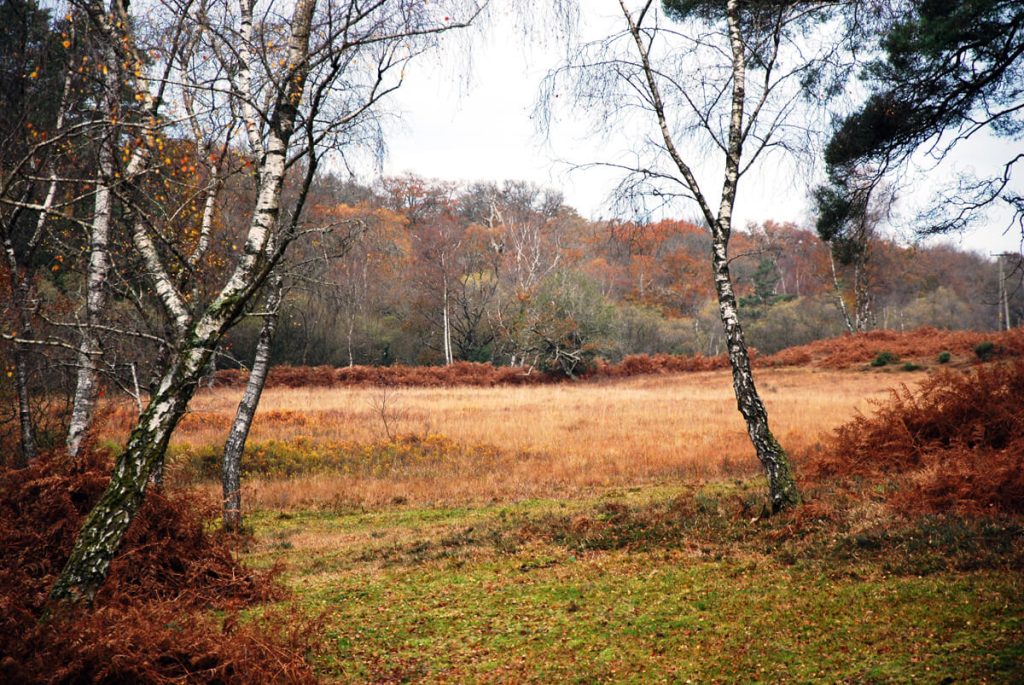
The New Forest is protected by many designations, plans and legal duties. But protection on paper is not enough. The decisions made through environmental policy shape what happens on the ground: how land is managed, how habitats are restored, how water flows, how development is controlled and how the Forest prepares for future threats.
The New Forest Association works to ensure those decisions are guided by the long-term needs of the Forest.
Climate change, pollution, habitat loss, water stress, development pressure and increasing recreational use all demand careful, joined-up policy. The Forest cannot be protected through isolated actions or short-term fixes. Its heathlands, woodlands, wetlands, mires, lawns, streams, coast and open Forest are connected. Policy must recognise that.
Conserving and restoring this diverse mosaic of habitats is one of the most important ways to increase the Park’s resilience. Healthy habitats store carbon, support biodiversity, hold water, reduce erosion and give wildlife more room to adapt. Damaged or fragmented habitats do the opposite.
We support environmental policy that reduces pollution, restores natural water flows and wetland hydrology, plans properly for sea-level rise, and improves woodland resilience through regeneration, better species choice and stronger habitat connectivity.
There may be some limited benefits from a changing climate, such as longer growing seasons or increased tourism opportunities. But these are far outweighed by the risks: wildfire, drought, flooding, biodiversity loss, habitat damage, tree stress, invasive species and irreversible changes to the character of the Forest.
The New Forest Association believes environmental policy must be practical, precautionary and rooted in evidence. It must also respect the Forest’s living systems, including commoning, conservation grazing and the close relationship between people, animals and landscape.
We engage with public authorities, land managers and partner organisations to encourage policies that protect the Forest’s natural systems and restore habitats where damage has already occurred. We also scrutinise proposals that may weaken protection, increase pressure or fail to consider long-term consequences.
Good policy should not simply manage decline. It should help the Forest recover, adapt and thrive.
The Forest cannot speak for itself. By contributing to environmental policy, the New Forest Association helps give the Forest a voice in the decisions that will shape its future.
Join us and help support stronger protection, restoration and resilience for the New Forest.
Registered charity no. 260328
New Forest Association © 2026
All rights reserved
All photographs ©
Photographs courtesy: Clive Chatters, Gale Pettifer, Steve Laycock, Mike Read, Brian Tarnoff, Peter Roberts, John Ward.