Commoning is one of the New Forest’s defining living traditions. It is part of our cultural heritage, but it is also one of the most effective ways to maintain the open landscape, habitats, and special character of the unenclosed Forest. Commoners’ animals do more than graze the land. They shape the Forest’s ecology and give the landscape a life and vitality found nowhere else.
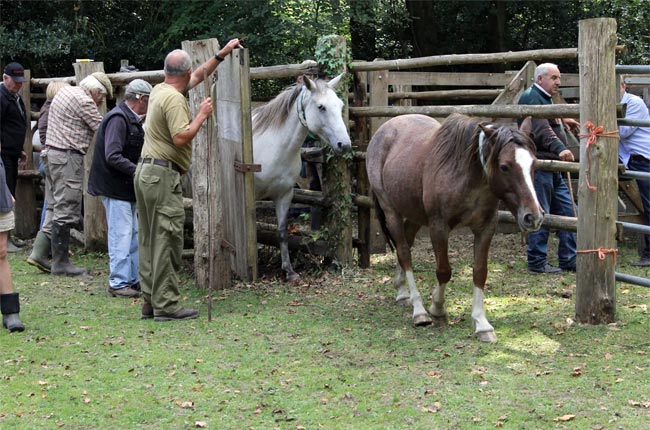
Commoners are local people with ancient rights attached to land or property in and around the Forest. These rights allow them to turn out animals, including ponies, cattle, donkeys and pigs, onto the open Forest. The rights of pasture and pannage remain especially important, helping maintain the character, ecology and balance of the New Forest.
Commoning is also a way of life. It carries knowledge passed through generations: how animals move, how the land changes with the seasons, when to intervene and when to let the Forest work as it should. That knowledge cannot easily be replaced. It is learned by living with the Forest.
The Verderers play a vital role in protecting commoning rights, upholding forest law and regulating development on the Forest. Their Agisters help manage commoners’ stock and are a familiar sight working across the open landscape, often on horseback.
But commoning is under pressure. Rising costs, traffic, development, limited back-up land, changing regulations and climate change all make this traditional way of life harder to sustain. At the same time, the landscape-scale conservation grazing provided by commoners’ animals is becoming even more important to the Forest’s long-term resilience.
The New Forest Association believes commoning must be protected, understood and valued. We support initiatives that sustain the use of common rights, retain commoners’ holdings and back-up land, provide affordable housing for commoners, return former lawns to the open Forest, and restore grazing to land that has become fenced or detached from the wider Forest.
We oppose the loss of active or potential commoning holdings, back-up grazing land and publicly owned housing stock suitable for commoners in the long term.
We are also supporting efforts to have commoning recognised as Intangible Cultural Heritage under the UNESCO framework, while the Commoners Defence Association is working to have New Forest Commoners recognised as a National Cultural Minority.
Protecting commoning is not about looking backwards. It is about protecting the living system that helps sustain the Forest.
The Forest cannot speak for itself. By standing up for commoning, we stand up for its heritage, habitats and future.
Join us and help protect the living traditions that keep the New Forest special.
Registered charity no. 260328
New Forest Association © 2026
All rights reserved
All photographs ©
Photographs courtesy: Clive Chatters, Gale Pettifer, Steve Laycock, Mike Read, Brian Tarnoff, Peter Roberts, John Ward.